Sundarbans: The Enchanted Mangrove Forest of Bangladesh & India
When we think of nature’s wonders, the Sundarbans stands as one of the most fascinating ecosystems on Earth. Spanning across Bangladesh and India, this vast green labyrinth is not just the world’s largest mangrove forest but also a living shield that protects millions of people from storms, tides, and rising seas. For travelers, nature lovers, and eco-conscious explorers, the Sundarbans is a destination where wild beauty and human resilience come together in remarkable harmony.
A Natural Wonder at the Edge of the Bay of Bengal
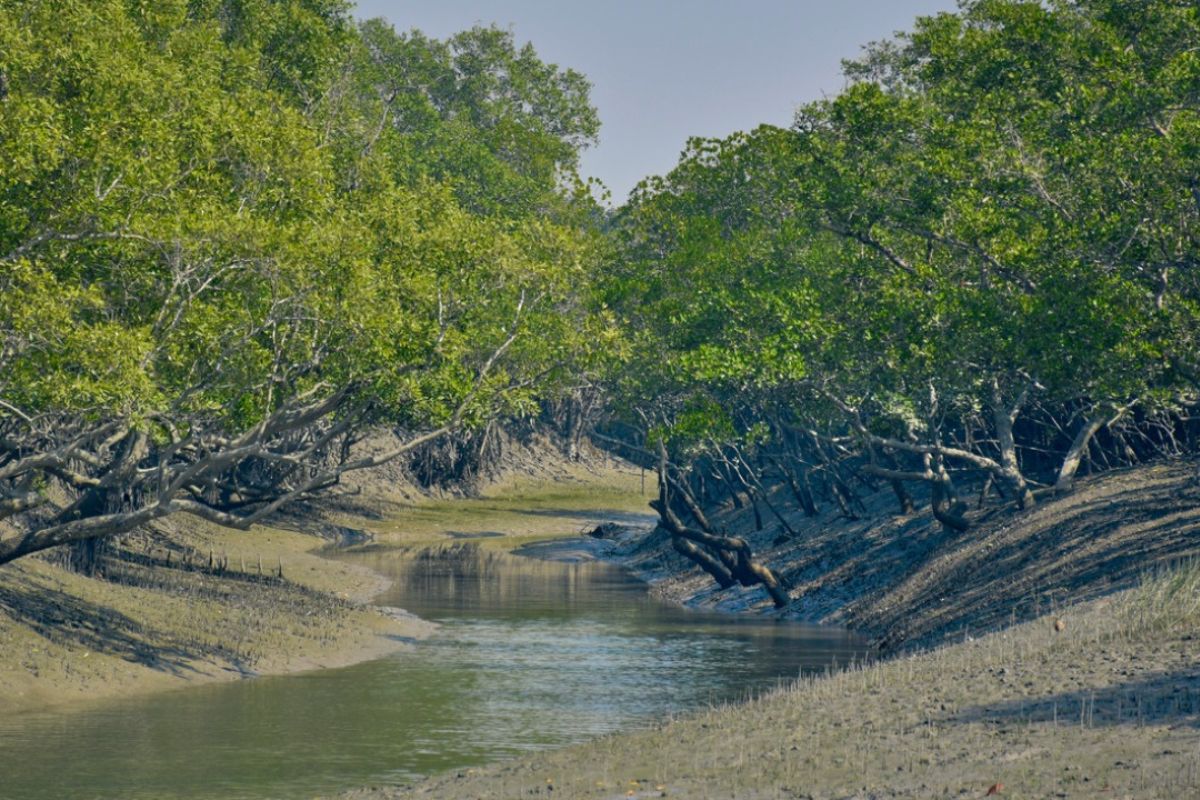
The Sundarbans covers about 10,000 square kilometers, making it the largest continuous mangrove ecosystem in the world. Located at the delta of the Ganges, Brahmaputra, and Meghna rivers, this UNESCO World Heritage Site is often called the “green lungs of the Bay of Bengal.” Its maze of tidal rivers, mudflats, and small islands creates a magical landscape that changes with every tide.
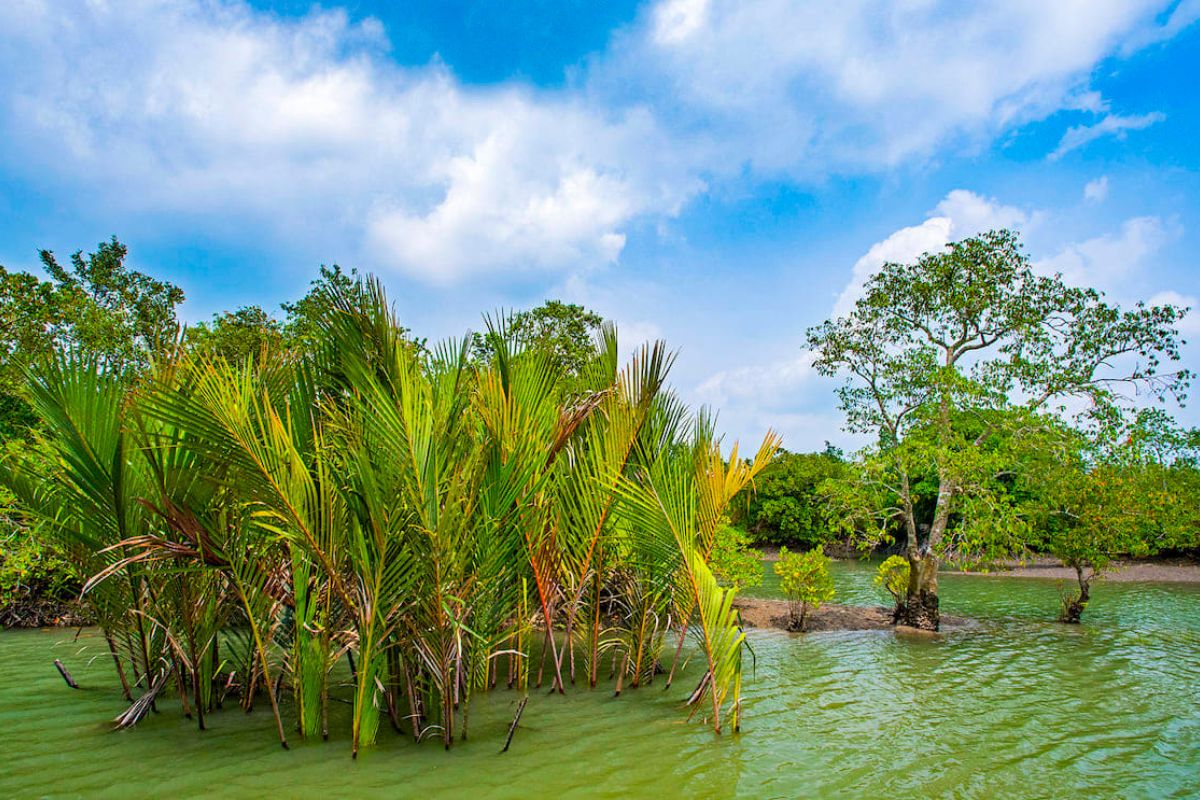
What makes the Sundarbans so unique is its ability to thrive where the land meets the sea. Salt-tolerant mangrove trees such as Sundari, Gewa, and Goran dominate the forest, providing not only oxygen but also natural defenses against cyclones and storm surges.
Home of the Legendary Royal Bengal Tiger
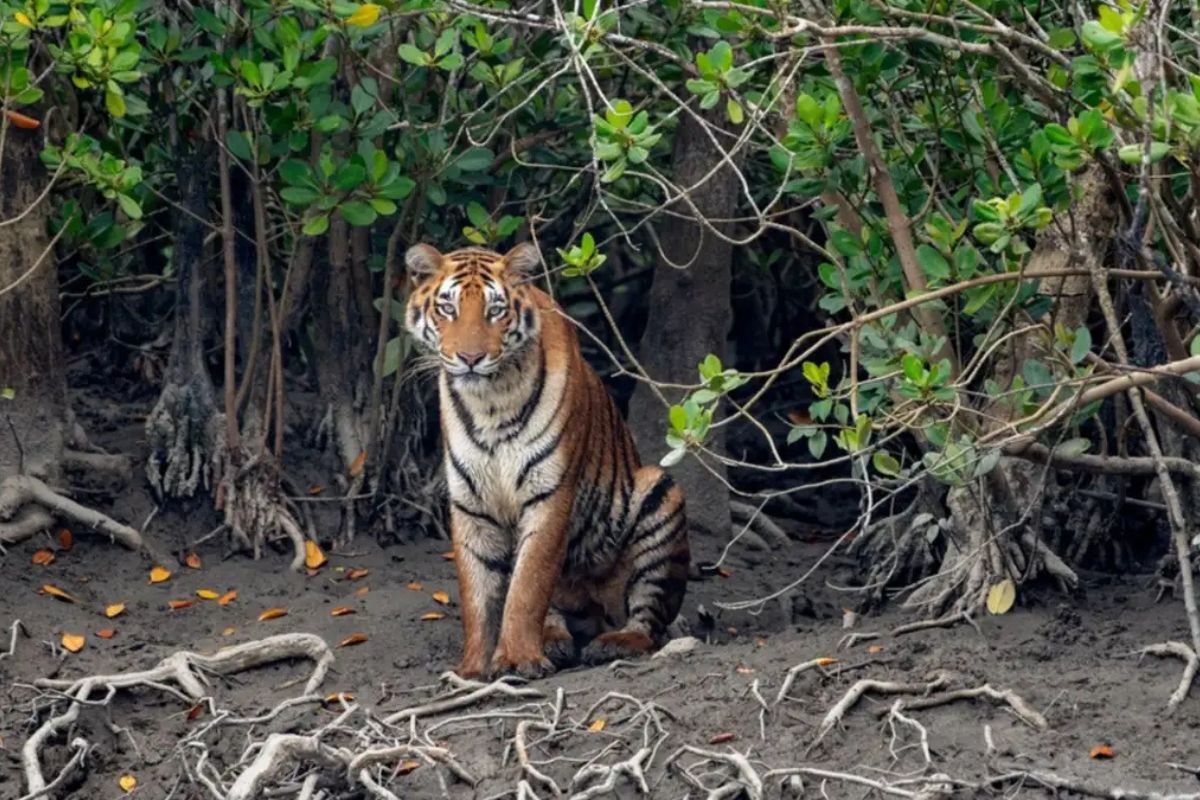
No story of the Sundarbans is complete without mentioning its most iconic resident — the Royal Bengal Tiger. Unlike tigers elsewhere, these majestic animals have adapted to the mangrove’s watery world. Known for their swimming ability and elusive nature, spotting one is a dream for many adventurers.
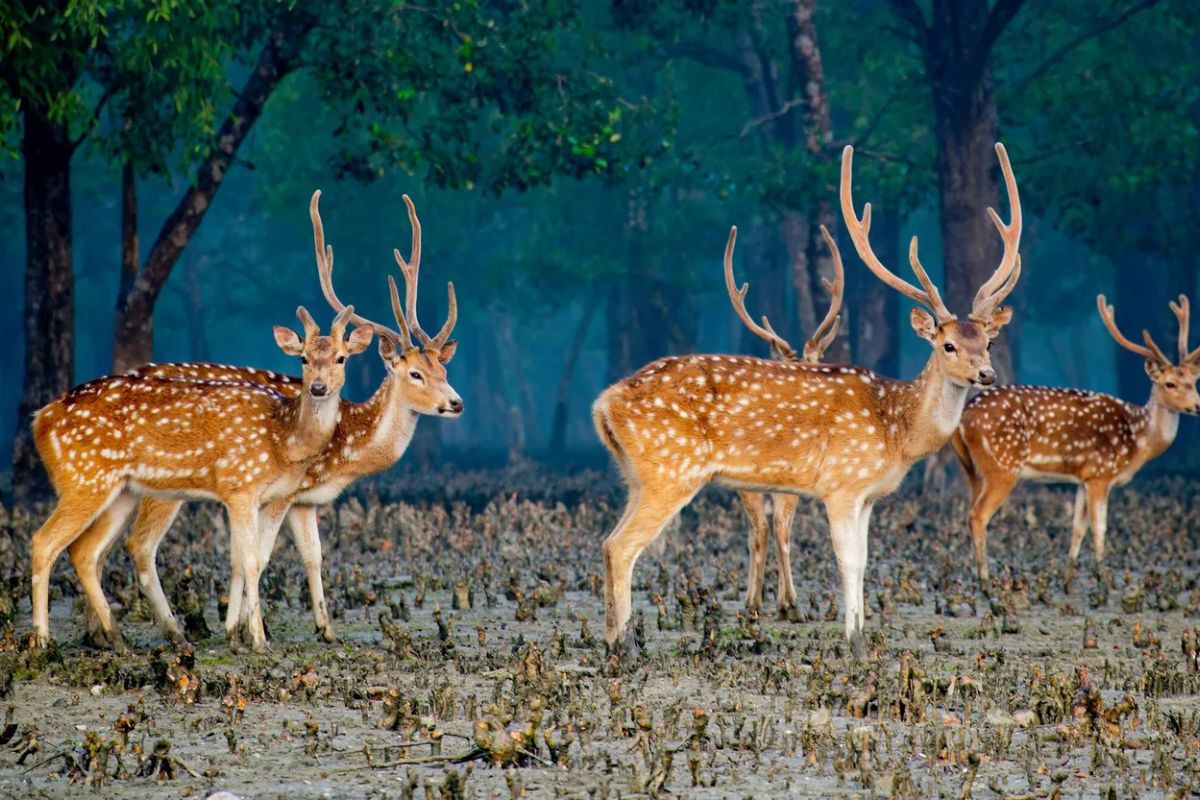
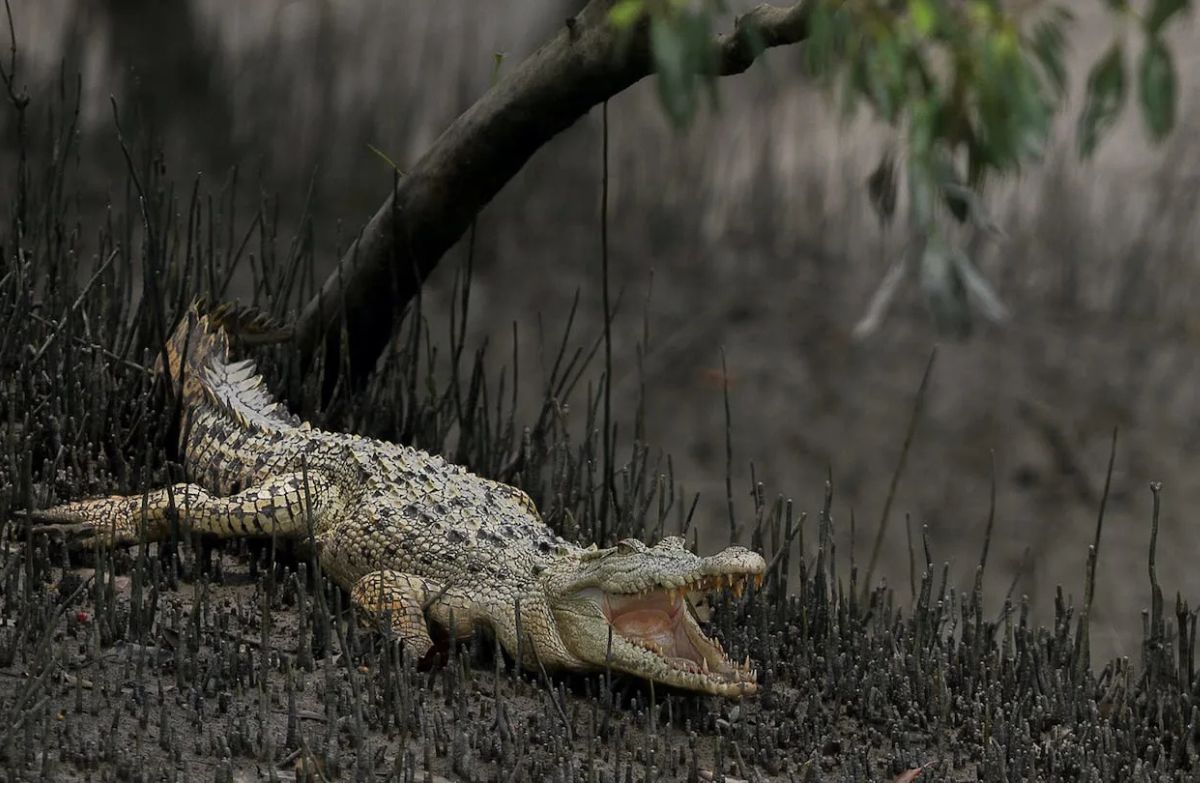
But the Sundarbans is more than just about tigers. It is a sanctuary for an incredible range of wildlife: estuarine crocodiles, spotted deer, wild boars, fishing cats, and more than 200 bird species, including kingfishers and herons. The waterways are home to the endangered Irrawaddy and Ganges river dolphins, making every boat trip a chance for an unforgettable encounter.
A Lifeline for Local Communities
Beyond its natural wonders, the Sundarbans supports the lives of countless people living on its fringes. Fishermen venture into its creeks to catch fish and crabs, while honey collectors risk encounters with wild animals to gather the famed Sundarbans honey. The forest provides fuelwood, medicinal plants, and countless other resources that sustain rural families.
Yet, life here is not easy. Communities face challenges from poverty, climate change, and dangerous wildlife encounters. Despite these struggles, the people of the Sundarbans show incredible resilience and maintain a deep bond with the forest that has nurtured them for generations.
Why the Sundarbans Matters More Than Ever
In today’s world of climate uncertainty, the Sundarbans has become a global symbol of natural resilience. Its mangrove belt acts as a protective wall, absorbing storm energy and reducing the impact of cyclones that frequently hit the Bay of Bengal. During disasters like Cyclone Sidr and Amphan, scientists observed how mangrove forests saved countless lives by buffering the coasts.
The Sundarbans also plays a critical role in fighting climate change by storing massive amounts of “blue carbon” in its soil and vegetation. Losing it would mean not just a threat to wildlife, but also a blow to global climate stability.
Sundarbans Tourism: A Journey into the Wild
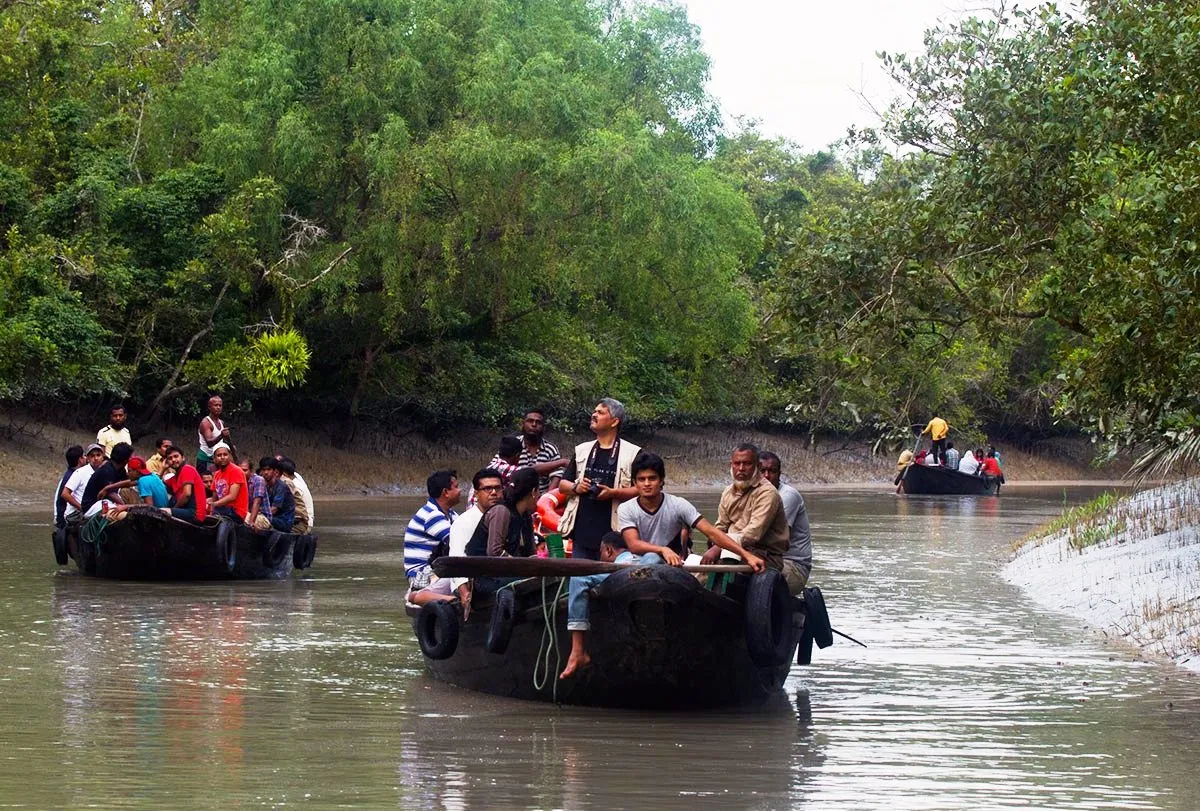
For travelers, visiting the Sundarbans is like stepping into a living adventure. Guided boat safaris take visitors deep into its winding waterways, where every turn reveals a new sight — a crocodile basking on the mudflats, colorful birds darting through the trees, or the ripple of a dolphin surfacing.
Eco-tourism in the Sundarbans is growing, offering travelers a chance to experience the forest responsibly. Resorts and community-run tours are designed to give you an authentic taste of life in the mangrove, from cultural performances to honey tasting, all while ensuring conservation remains a priority.
Protecting the Sundarbans for the Future
Despite its resilience, the Sundarbans faces threats from rising sea levels, industrial pollution, and unsustainable human activities. Conservation efforts by governments, NGOs, and local communities are ongoing, focusing on mangrove restoration, sustainable livelihoods, and tiger conservation programs.
As travelers, we have a role to play too. Choosing eco-friendly tours, respecting local cultures, and spreading awareness about the importance of this fragile ecosystem are small steps that make a big difference.
Final Thoughts
The Sundarbans is not just a forest; it is a living miracle. It is where the world’s most famous tiger roams freely, where rivers meet the sea in a dance of tides, and where people and nature coexist in both beauty and struggle. Whether you are planning a visit or simply learning about it from afar, the Sundarbans reminds us of the incredible balance of life on Earth — and why we must protect it at all costs.









Leave a review