Bangladesh National Parliament House – A Masterpiece of Modern Architecture in Dhaka
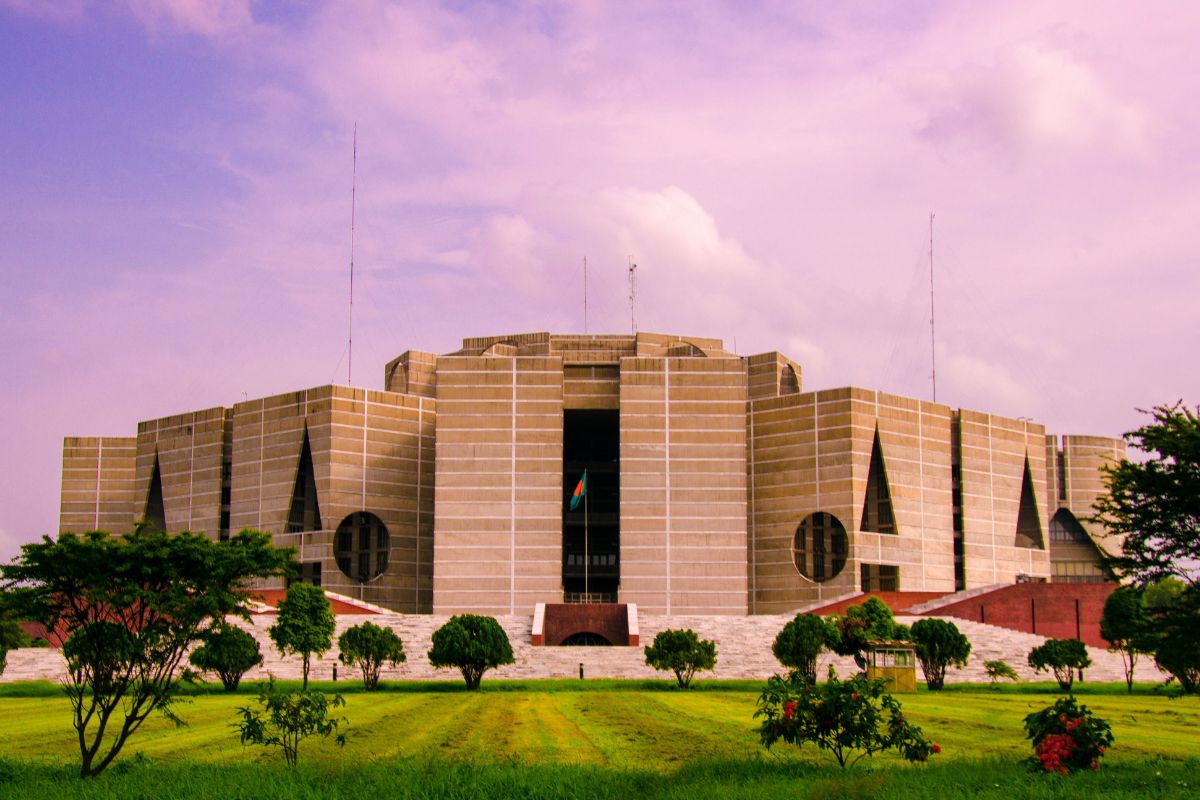
The Bangladesh National Parliament House, also known as Jatiya Sangsad Bhaban, is not just a political landmark – it is a global architectural icon that blends culture, history, and modern design. Located in Sher-e-Bangla Nagar, Dhaka, this magnificent structure is one of the largest legislative complexes in the world and a must-visit destination for architecture lovers, history enthusiasts, and curious travelers.
A Vision by Louis I. Kahn
The story of the Bangladesh National Parliament House begins in the early 1960s, when the renowned American architect Louis I. Kahn was commissioned to design the legislative complex. His vision was clear – to create a building that would symbolize democracy, unity, and the identity of the Bengali people. Construction started in 1961, paused during the 1971 Liberation War, and finally completed in 1982. Despite the interruptions, Kahn’s design remained true to its original form.
A Blend of Modern Design and Bengali Heritage
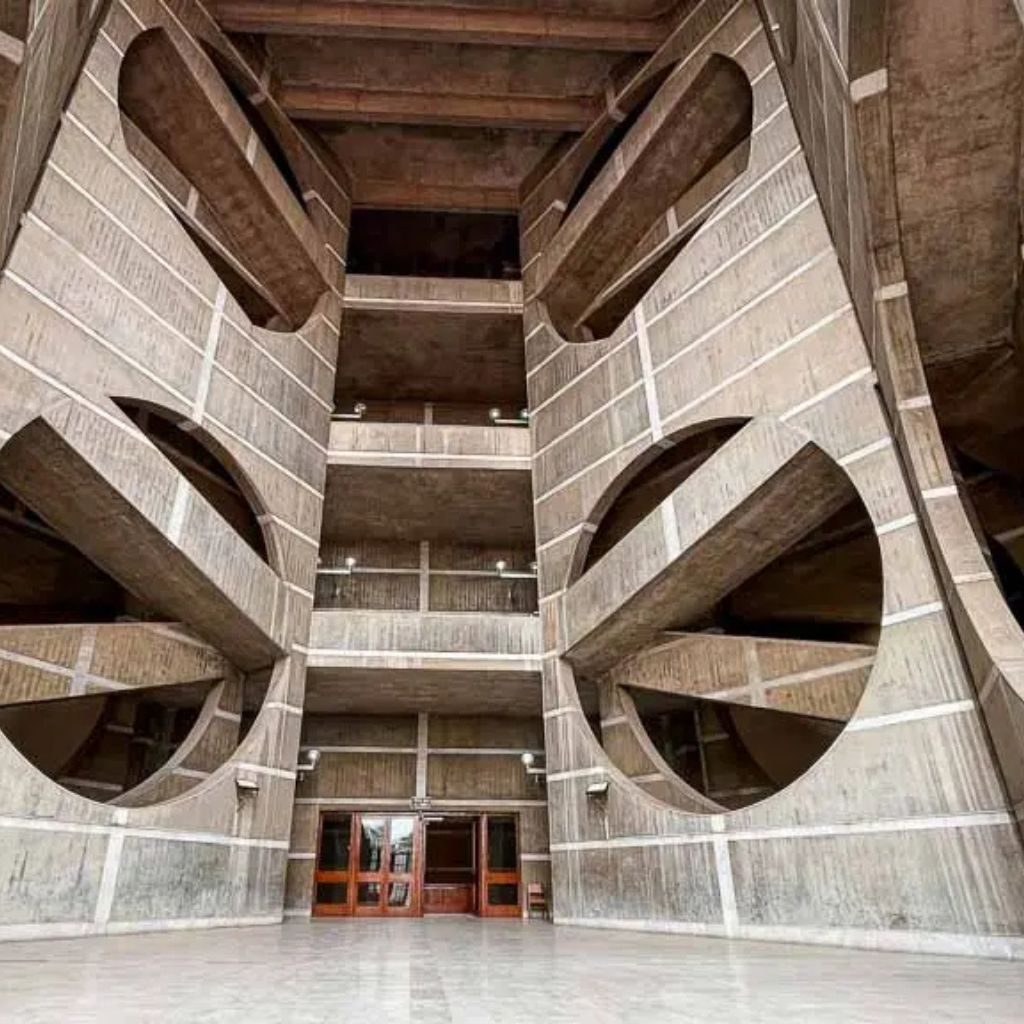
At first glance, the Parliament Building’s design feels bold and futuristic. Massive concrete walls are punctuated by large geometric openings – circles, triangles, and rectangles – that not only look striking but also serve practical purposes. These shapes allow natural light and ventilation to flow through the building, keeping it cool in Dhaka’s warm climate. Kahn combined modernist geometry with elements of Bengali culture, ensuring the building feels both innovative and rooted in its surroundings.
A Complex That’s More Than a Building
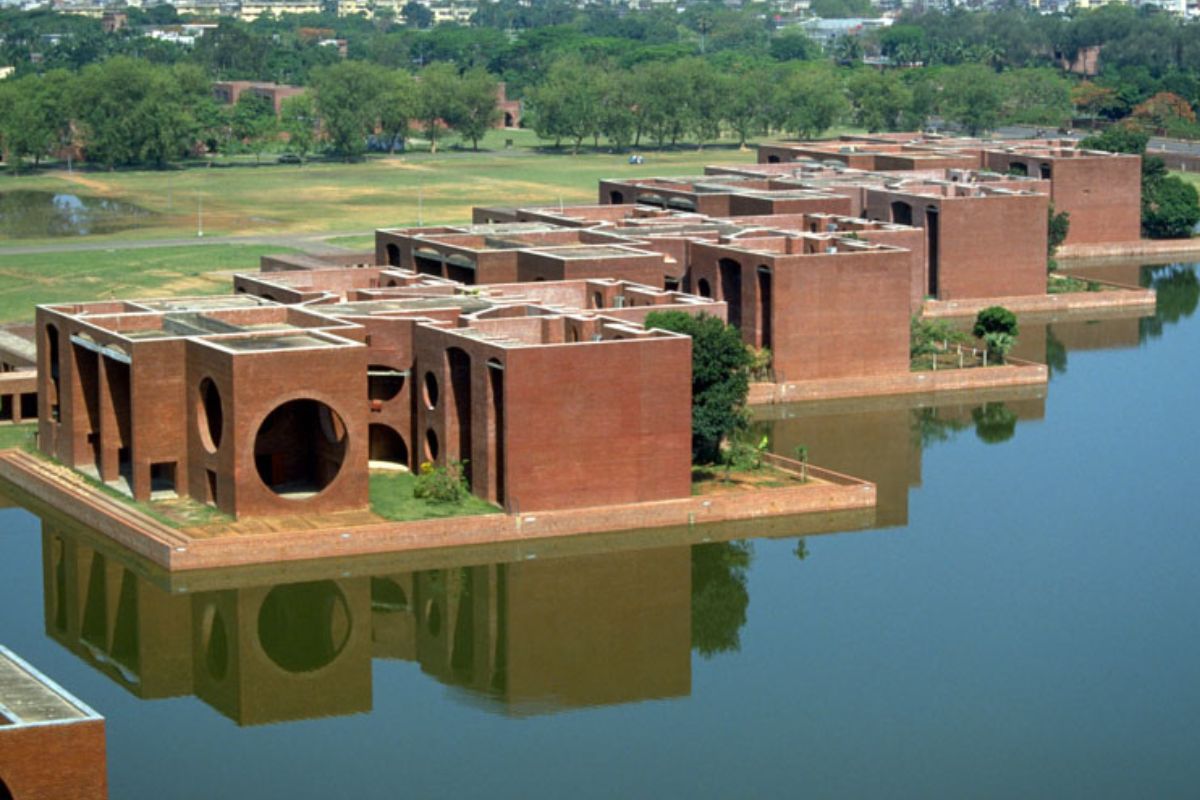
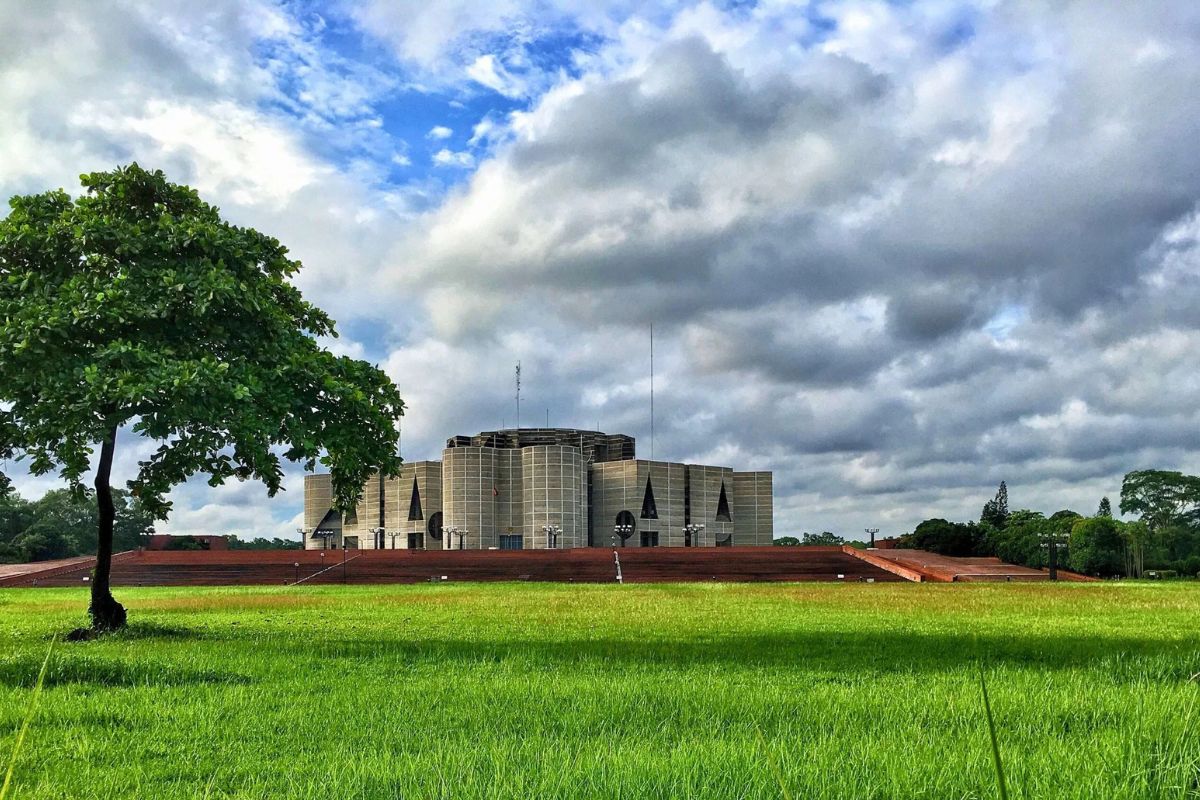
The Jatiya Sangsad Bhaban sits in the middle of a 200-acre site surrounded by beautiful gardens, artificial lakes, and open plazas. The water bodies are not just for beauty – they act as a natural cooling system, reflecting sunlight and reducing heat. The complex is divided into three main sections:
Main Plaza – Houses the Assembly Hall where parliamentary sessions are held.
South Plaza – The main entrance for visitors, featuring gardens and walkways.
Presidential Plaza – A more formal area used for state functions.
The surrounding green space makes the area a peaceful escape in the heart of the city, where locals enjoy evening walks, family picnics, and photography.
Inside the Assembly Hall
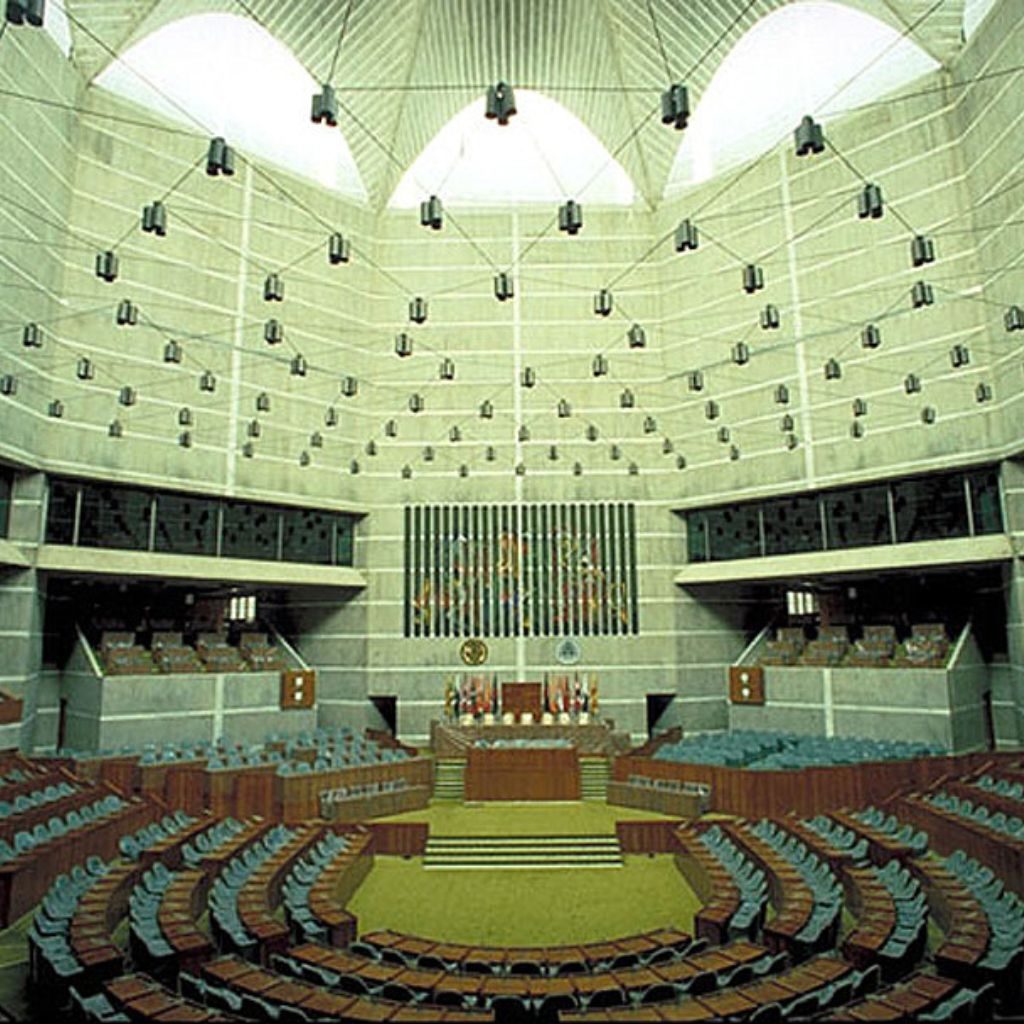
The central Assembly Hall is truly breathtaking. It is a large octagonal space topped with a striking lantern-like roof that allows soft daylight to filter in. The hall can seat over 300 members of parliament and is designed for comfort, visibility, and acoustic excellence. Unfortunately, public access inside the building is restricted for security reasons, but the beauty of the interior is well documented in photographs and exhibitions.
Sustainable Design Ahead of Its Time
Long before “green architecture” became a trend, Kahn’s design incorporated passive cooling and natural lighting techniques. The thick walls, deep recesses, and water features help control temperature and reduce the need for artificial cooling. This makes the building both environmentally friendly and energy-efficient – a remarkable achievement for a design conceived over 50 years ago.
Cultural and Political Importance
The Bangladesh National Parliament House is not only the seat of the country’s democracy but also a national symbol of pride. It has witnessed countless important decisions, debates, and historical moments since Bangladesh’s independence. For many, it represents the struggles and aspirations of the nation.
Visiting the Jatiya Sangsad Bhaban
While the building’s interior is off-limits to most visitors, the South Plaza and surrounding gardens are open to the public. This area is popular for photography, especially at sunset when the building’s reflection shimmers in the water. If you’re in Dhaka, it’s best to visit in the late afternoon when the light is soft, and the atmosphere is calm. For those interested in architecture, guided tours (when available) offer deeper insights into Kahn’s vision and the building’s engineering marvels.
Tips for Visitors
Best Time to Visit: November to February (cooler months in Dhaka).
Photography: Allowed outside, but drone use requires special permission.
Security: Respect all rules and avoid restricted zones.
Nearby Attractions: Crescent Lake, Chandrima Uddan, and Dhaka’s Old Town are worth exploring.
Why You Should See It
Whether you are a traveler, a student of architecture, or simply someone who appreciates great design, the Bangladesh National Parliament House is a destination you shouldn’t miss. Its unique combination of modern architecture, cultural symbolism, and natural harmony makes it one of the most impressive buildings in the world. Standing before it, you don’t just see a parliament – you feel the story of a nation.


Leave a review